
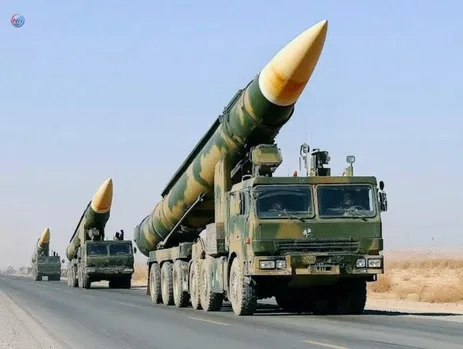
Iran War Today: Hormuz Risk and Energy Market Impact is an update for readers looking for clear background, verified context and practical next steps. This article explains what is known, what still needs confirmation and where readers should check official information.
- Iran War Today: Hormuz Risk and Energy Market Impact explains the latest key context for readers.
- Readers should check the article update date and linked sources where available.
- Related articles and official references are included to help readers explore more.
In this detailed live report, we break down what is happening on the ground, why Iran’s threat to close the Strait of Hormuz matters, how social media is reacting, expert analysis, the impact on global markets and security, and what may happen next as tensions continue to mount.
Article quality update
Verification note: Iran/Hormuz conflict updates are developing and should be checked against official statements and credible international reporting.
This article has been reviewed to improve clarity, reduce hype and point readers toward reliable source checks.
Useful official / reference sources
What Happened
On March 22, 2026, Iran’s Revolutionary Guards issued a shocking declaration: if the U.S. carries out threats to strike Iranian energy facilities — including power plants — the country would completely close the strategically vital Strait of Hormuz and consider all U.S. and allied energy infrastructure legitimate targets.
This escalation came in response to a direct ultimatum from U.S. President Donald Trump, who on Truth Social gave Tehran 48 hours to fully reopen the strait to international shipping or face attacks on its energy grid. Trump’s warning specifically cited targeting Iran’s power plants if the waterway remained closed — a critical demand because the strait handles around 20 % of the world’s crude oil shipments.
Iran’s counter‑attack threats expanded beyond the strait itself: Iranian military spokespeople claimed they would strike U.S. and Israeli energy and water infrastructure throughout the region, as well as potentially destroy assets linked to U.S. investment
Global markets reacted swiftly. Asian stock markets plunged amid the geopolitical shock, with key indexes in Japan, South Korea, and Hong Kong dropping sharply as anxiety over disrupted energy flows mounted.
Background of the Iran war
Origins of the 2026 Iran War
The ongoing Iran conflict — now widely referred to as the 2026 Iran war — began on February 28, 2026, when the United States and Israel initiated joint military action against various Iranian military targets. These included strikes that killed Iran’s Supreme Leader Ali Khamenei, a move that triggered severe retaliation from Tehran.
In response, Iran launched missile and drone attacks against U.S. bases and Israeli territory, escalating the Iran war to a multifront crisis. Key infrastructure such as Shahid Rajaee port facilities, South Pars gas fields, and multiple shipping lanes became focal points of conflict. Over the ensuing weeks, strikes targeted both military and civilian infrastructure across the region.
The Strategic Importance of the Strait of Hormuz
The Strait of Hormuz is one of the most geopolitically sensitive waterways in the world, connecting the Persian Gulf to the Gulf of Oman and the Arabian Sea. It serves as a critical artery for global energy supplies — roughly 20 % of the world’s oil and LNG passes through it daily.
Historical closures and threats to close the strait have always reverberated through global oil markets and international diplomatic arenas. Its potential closure today has raised alarms not only in the Middle East but across Europe, Asia, and the Americas, because prolonged disruption would likely trigger a global energy crisis.
Public / Social Media Reactions
Global Reactions Online
Across platforms like Reddit and Twitter, users around the world are reacting to developments in the Iran war today:
- Many expressed shock and fear over the prospect of an extended conflict and disruption to global energy flows.
- Some users pointed to President Trump’s ultimatum as a dramatic escalation that could constitute a Iran war crime, citing threats to “obliterate” infrastructure as deeply destabilizing.
- Others noted the humanitarian implications, warning that continuing strikes and counter‑strikes could lead to wider civilian suffering across the Middle East and beyond.
- Some commentators criticized the rhetoric, suggesting that threats to critical infrastructure could widen the conflict beyond the region.
Mixed Views on the Strait of Hormuz Issue
Debate around Iran’s vow to close the strait also surfaced online. Some saw it as a legitimate exercise of sovereign defense against foreign aggression, while others highlighted the potential for global economic fallout if energy routes are disrupted. Many maritime and geopolitical subthreads focused on how drastic measures like closing Hormuz could affect shipping, insurance, and trade networks.
Expert Opinions
Security and Geopolitical Analysts
Geopolitical experts view the current escalation as one of the most dangerous phases of the ongoing Iran war, particularly because of the strategic importance of the Strait of Hormuz. Analysts emphasize that closing the strait would not only impact oil markets but could also violate international maritime norms and trigger a broader military response.
Some strategists warn that both sides now face a precarious diplomatic balancing act: military action risks widening the Iran war, while concessions could be seen domestically as weakness. The U.S. deployment of additional troops and hardware — including Marines, F‑35 jets, and landing vehicles in the Gulf — suggests preparations for possible escalation around Hormuz and surrounding areas.
Energy Market Analysts
Energy sector analysts warn that even the threat of prolonged disruption to Hormuz traffic is driving volatility in oil markets. Brent crude prices have already surpassed $100 a barrel, reflecting growing fear of constrained supply. Energy analysts note that sizeable disruptions could push prices even higher, with ripple effects on gasoline, heating oil, and industrial costs worldwide.
Moreover, transport insurance premiums and shipping costs are already rising as vessels reroute around risk zones, compounding economic impacts beyond crude pricing alone.
Impact of the Situation
Regional Security Dynamics
Iran’s explicit threat to completely close the Strait of Hormuz and retaliate against U.S. and allied infrastructure significantly increases the risk of a broader regional conflict. Gulf Cooperation Council states — including Saudi Arabia, the UAE, and Qatar — are caught between supporting Western allies and managing their own security interests, raising the specter of proxy escalations.
Global Energy Markets
Even before any definitive closure, the conflict’s impact on energy markets has been profound. Sharp jumps in oil prices are contributing to inflationary pressures in energy‑dependent economies, from Asia to Europe. Shipping disruptions, especially through Hormuz, have also strained supply chains and heightened fears of prolonged volatility.
International Diplomacy and Trade
Foreign governments from Japan to the UK have called for diplomatic interventions, yet the rift between the main belligerents has hardened. Some countries have issued travel advisories and warnings to their citizens in the region, while international bodies like the International Maritime Organization (IMO) monitor the situation closely.
What Happens Next
Monitoring the 48‑Hour Deadline
The immediate focus is on the ticking clock of the U.S.’s 48‑hour ultimatum. If Tehran does not comply by fully reopening Hormuz to international traffic, analysts fear that targeted strikes on Iranian energy infrastructure could occur, leading to further retaliation from Iran and potentially dragging the conflict deeper into regional warfare.
Diplomatic Efforts and Stability Talks
International pressure for de‑escalation continues. Some world leaders are pushing back against unilateral military action, urging negotiations and multilateral engagement to prevent catastrophic broader conflict. However, entrenched positions on both sides make diplomatic breakthroughs difficult.
Economic and Security Monitoring
Energy markets, shipping firms, and governments will continue tracking developments closely. Sanctions, counter‑sanctions, and military posturing could all emerge as factors shaping the weeks ahead, with global oil and commodity prices remaining extremely sensitive to any shift in the conflict’s trajectory.
FAQ: Iran war
1. What is the latest on the Iran war today?
Iran vowed to completely close the Strait of Hormuz if the U.S. attacks its power plants following a 48‑hour ultimatum.
2. Why is Iran threatening to close the Strait of Hormuz?
Iran says closing Hormuz would be a retaliation against threats to its energy infrastructure and a defensive measure in the ongoing conflict.
3. What happens if the Strait of Hormuz is closed?
Closure could disrupt about 20 % of global oil shipments, causing major impacts on energy markets and global trade.
4. What triggered the Iran war today escalation?
The Iran war escalated after U.S. and Israeli strikes on Iranian territory and Trump’s ultimatum regarding Hormuz.
5. Are there diplomatic efforts to stop the conflict?
World leaders are pushing for negotiations, but entrenched positions make immediate solutions challenging.
Conclusion
The Iran war today reflects a conflict spiralling into one of the most dangerous phases since its outbreak in late February. With Tehran’s unprecedented vow to completely close the Strait of Hormuz if its power infrastructure is targeted, the stakes have risen for regional stability, global energy markets, and international diplomacy.
As the U.S. timetable for reopening Hormuz tightens, the world watches closely — aware that actions taken in the next hours could shape energy prices, security alliances, and geopolitical fault lines for months to come. The confluence of military posturing, economic disruption, and diplomatic tension makes this a defining moment in a conflict that continues to unfold live across the Middle East and beyond. Asian markets react to Iran conflict (Al Jazeera)
Stay tuned as developments continue and global leaders work to avert further escalation in this high‑stakes Iran war.
Indian News Reporter: Your source for smart, speedy updates!
Frequently Asked Questions
What is this article about?
This article provides a concise update and background information for readers.
Where should readers verify important details?
Readers should verify important dates, prices, results and official announcements from the relevant official source.
