
Iran War Escalation: Energy Price Impact Explained is an update for readers looking for clear background, verified context and practical next steps. This article explains what is known, what still needs confirmation and where readers should check official information.
- Iran War Escalation: Energy Price Impact Explained explains the latest key context for readers.
- Readers should check the article update date and linked sources where available.
- Related articles and official references are included to help readers explore more.
The world is closely watching as the Iran war escalates following a dramatic Israeli strike on the massive South Pars Gas Field, one of the largest natural gas reserves on the planet. The attack reportedly triggered fires, disrupted production activity, and sent global energy markets into immediate turmoil. Analysts say the incident could mark a dangerous new phase in regional tensions involving Iran and Israel, with ripple effects extending far beyond the Middle East.
As energy traders scrambled to assess supply risks and diplomats rushed to call for restraint, the crisis highlighted the fragile intersection of geopolitics, energy security, and global economic stability.
In this live-update report, we examine what happened, why the Iran war escalates narrative is gaining traction worldwide, and what it could mean for energy prices, diplomacy, and global security.
Article quality update
Verification note: Energy-price impact from conflict depends on verified events, shipping risk, oil supply and market reaction.
This article has been reviewed to improve clarity, reduce hype and point readers toward reliable source checks.
Useful official / reference sources
What Happened
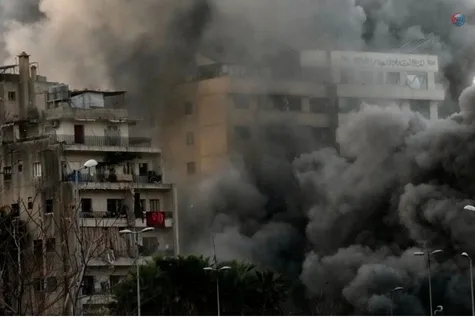
The global situation changed dramatically after reports confirmed that Israeli forces conducted a strike targeting infrastructure linked to Iran’s energy network near the South Pars Gas Field.
The field, jointly shared by Iran and Qatar, represents the largest known natural gas reserve in the world and supplies energy to multiple international markets.
According to initial reports:
- Explosions and fires were observed near gas processing infrastructure.
- Production operations were partially halted as emergency crews assessed damage.
- Energy markets reacted instantly, with natural gas and oil prices surging.
The strike came amid an already tense security climate across the Middle East. Analysts warn that this development suggests the Iran war escalates beyond covert operations into a more direct confrontation affecting strategic infrastructure.
Within hours, government officials from multiple countries issued statements calling for restraint, fearing a wider regional conflict that could disrupt global energy flows.
Timeline: How the Iran War Escalates
Understanding the broader crisis requires examining the sequence of recent events that led to this escalation.
Rising Tensions in the Region
In recent months, hostilities between Iran and Israel have intensified through proxy conflicts and cyber operations. Intelligence reports suggested that both sides had been preparing for possible direct confrontations.
Military Alerts and Warnings
Before the strike, regional intelligence agencies warned of potential attacks on strategic assets, including shipping lanes and energy facilities.
These warnings became reality when the strike on South Pars was confirmed.
Immediate Market Reaction
Following the attack:
- Global gas prices jumped sharply.
- Oil markets experienced volatility.
- Energy companies began evaluating supply chain risks.
Market analysts say the Iran war escalates narrative is directly linked to fears that energy infrastructure could become a strategic battlefield.
Background of the Conflict
To understand why the Iran war escalates, it is important to examine the long-standing rivalry between Iran and Israel.
Ideological and Political Rivalry
For decades, the two nations have been adversaries due to ideological, political, and security disagreements.
Iran supports several regional groups opposed to Israel, while Israel views Iran’s nuclear ambitions as a direct threat.
Proxy Conflicts
Instead of direct war, both countries have historically engaged through proxy conflicts across the Middle East, particularly in:
- Syria
- Lebanon
- Iraq
However, the strike on South Pars signals a potential shift toward direct strategic targeting.
Why the South Pars Gas Field Matters
The World’s Largest Gas Reserve
The South Pars Gas Field is one of the most important energy resources globally.
It contains an estimated:
- 51 trillion cubic meters of natural gas
- Large quantities of condensates used for petrochemicals
The field supplies gas domestically within Iran and supports export networks.
Strategic Economic Importance
Damage to the facility could disrupt:
- Regional gas supplies
- Global LNG markets
- Energy price stability
That is why the moment the Iran war escalates, markets react almost instantly.
Public and Social Media Reactions
Across social media platforms, the phrase “Iran war escalates” quickly began trending.
Concern Over Global Conflict
Many users expressed fear that the strike could trigger a broader Middle East war.
Comments across online platforms reflected widespread anxiety about possible military retaliation.
Energy Price Concerns
Others focused on economic implications.
Energy analysts and traders warned that further attacks on infrastructure could cause:
- Higher fuel prices
- Increased electricity costs
- Global inflation pressure
Calls for Diplomacy
Some international voices urged diplomatic intervention to prevent the situation from spiraling further.
Expert Opinions
Geopolitical experts and energy economists are closely analyzing the crisis.
Energy Market Analysts
Energy experts say infrastructure strikes could cause prolonged instability in global energy markets.
They warn that if the Iran war escalates further, several scenarios are possible:
- Supply disruptions
- Strategic reserve releases
- Long-term energy price volatility
Military Analysts
Security experts believe the strike signals a shift in tactical priorities.
Energy infrastructure is increasingly viewed as a strategic pressure point in modern warfare. (for more information click here)
Economic Analysts
Economists warn that rising oil and gas prices could worsen global inflation.
Countries already facing economic challenges could see increased pressure.
Impact of the Situation
The Iran war escalates narrative has consequences that extend far beyond military strategy.
Global Energy Markets
Energy markets reacted immediately after news of the strike.
Possible outcomes include:
- Higher oil prices
- Gas supply disruptions
- Increased volatility in energy trading
Regional Stability
The Middle East remains one of the world’s most strategically sensitive regions.
Any escalation involving major powers could destabilize neighboring countries.
Global Economy
Higher energy prices can affect:
- transportation
- manufacturing
- consumer costs
This is why economists are closely monitoring developments.
What Happens Next
Several scenarios are now being discussed by analysts.
Diplomatic Intervention
International organizations and governments may attempt to mediate tensions to prevent further escalation.
Possible Retaliation
Security analysts say retaliation remains a major concern if Iran responds to the strike.
Energy Security Measures
Countries dependent on imported gas and oil may begin strengthening energy reserves.
FAQ Section
What does “Iran war escalates” mean?
The phrase refers to rising military tensions between Iran and Israel, particularly following attacks on strategic infrastructure like the South Pars gas field.
Why did energy prices rise after the strike?
Energy markets reacted to fears that gas production and global supply chains could be disrupted.
Where is the South Pars gas field located?
The field lies offshore in the Persian Gulf and is shared by Iran and Qatar.
Could the Iran war escalate into a regional conflict?
Analysts warn that escalation could draw in other countries in the Middle East if tensions continue rising.
How might the crisis affect global fuel prices?
If the Iran war escalates further and supply disruptions occur, oil and gas prices may increase worldwide.
Conclusion
The headline “Iran war escalates” reflects a rapidly evolving geopolitical situation that could reshape the global energy landscape.
The strike on the South Pars gas field underscores how energy infrastructure has become a critical strategic target in modern conflicts. As markets react and diplomatic channels activate, the world is watching closely to see whether tensions will cool or spiral into a broader confrontation.
For now, the immediate impacts are clear: volatile energy markets, heightened geopolitical risk, and urgent calls for diplomacy. What happens next may determine not only the future of regional stability but also the trajectory of global energy prices and economic security.
Indian News Reporter: Your source for smart, speedy updates!
Frequently Asked Questions
What is this article about?
This article provides a concise update and background information for readers.
Where should readers verify important details?
Readers should verify important dates, prices, results and official announcements from the relevant official source.
