
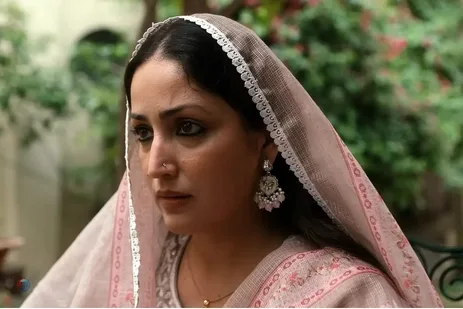
Who is Shazia Bano? Is the Netflix film Haq truly based on her real life? How did Yami Gautam portray Shazia Bano on screen? Why did audiences notice “Shazia Bano” again in Dhurandhar: The Revenge? What does her story mean for women’s rights and legal history in India? These questions are trending among moviegoers and social media users as Shazia becomes a topic of renewed attention following recent film releases and debates on legal rights, portrayal accuracy, and cultural impact.
- Shazia Bano: Background, Film Debate and Public Response explains the latest key context for readers.
- Readers should check the article update date and linked sources where available.
- Related articles and official references are included to help readers explore more.
From her historical role in shaping landmark legal battles to her cinematic depiction in modern media, Shazia represents a story that reverberates beyond entertainment — touching on gender justice, societal norms, legal reform, and cultural memory.
What Happened: Breaking News Around Shazia Bano
In March 2026, audiences noticed the name “Shazia Bano” referenced in the blockbuster Bollywood spy thriller Dhurandhar: The Revenge, which opened with major box office records and fan reactions.
While the film itself is a fictional narrative, the use of the name sparked fresh curiosity and searches about who Shazia is — especially because she was recently portrayed by Yami Gautam in a high‑profile courtroom drama titled Haq released on Netflix.
Haq dramatizes a woman’s legal struggle for alimony and justice — loosely inspired by real legal disputes such as the famous Mohd. Ahmed Khan v. Shah Bano Begum — and credits the character as Shazia Bano, reigniting discussions about women’s rights and legal reform.
The coincidence of the name showing up again — even fleetingly — in a major theatrical release has sparked viral reactions online, with fans and analysts debating whether this reflects intentional homage, cultural resonance, or just entertainment Easter egg connections.
Background: Who Is Shazia Bano? Historical Context & Legal Legacy
To understand why Shazia Bano draws attention today, it’s essential to explore her legal and cultural roots.
Historically, the name is tied — in narrative and inspiration — to landmark legal battles over women’s rights in India. The real life Shah Bano Begum became a household name in the 1980s after winning a crucial Supreme Court alimony case that challenged discriminatory practices and sparked national debate on secular law versus personal law.
While Haq does not use the exact historical name, the character Shazia represents a fictionalized version inspired by cases like that of Shah Bano, aiming to bring public awareness to long‑standing issues around women’s legal rights, maintenance, and societal obstacles.
Legacy of Legal Reform
The original legal battle of Shah Bano helped initiate discussions around the Muslim Women (Protection of Rights on Divorce) Act, 1986, and continues to be studied as a pivotal moment in the fight for women’s equal rights under civil law.
Shazia Bano — as portrayed in contemporary films — thus symbolizes that historic struggle, shaped for modern audiences to understand the emotional and social dimensions of legal battles that affect millions of women.
Shazia Bano in Popular Media: Film Portrayal and Narrative Impact
Haq — Netflix’s Depiction
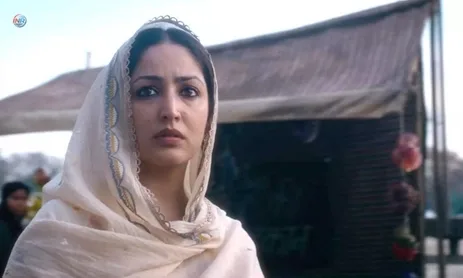
The Netflix courtroom drama Haq centers on Shazia Bano (played by Yami Gautam), who seeks alimony and justice after her husband abandons her, sparking national legal attention.
Film narratives have framed her journey as a fight for dignity and equal rights through the legal system, highlighting emotional turmoil, procedural hurdles, and societal pressure. Although Haq takes dramatic liberties, viewers and critics have noted its role in popularizing the deeper meaning behind legal rights and alimony battles in India.
The portrayal by Yami Gautam sparked strong reactions: many praised the emotional depth and relatability of the character, while others debated historical accuracy given the name change and dramatization.
Public & Social Media Reactions to Shazia Bano’s Story
Online reaction to Shazia Bano’s cinematic portrayal has been massive and varied:
- Emotional support: Many fans expressed admiration for Shazia Bano’s struggle, resonating with viewers who see elements of real women’s lived experiences in the narrative.
- Debate over portrayal: Some social media users discussed whether the use of the name “Shazia Bano” was intentional or inspired by the Haq film’s popularity.
- Legal justice conversations: The film and references sparked renewed debate about alimony law, secular vs. personal law, and women’s rights in India — particularly in comments threads and public forums.
Fan communities online even joked about the coincidence of the name appearing in Dhurandhar, speculating whether it was a deliberate tribute or a cultural nod to a narrative of strength.
Expert Opinions on Shazia Bano’s Cultural and Legal Influence
Legal Experts
Lawyers and legal analysts note that while Haq uses fiction, it draws important attention to real legal debates once triggered by the Shah Bano case — an area still relevant for discussions about maintenance, gender justice, and equitable applications of law.
Film Critics
Entertainment critics believe that the character of Shazia Bano has helped bridge the gap between legal history and mainstream audiences — turning a complex legal subject into an emotionally accessible story.
Cultural Analysts
Experts on social change point out that fictional portrayals like Shazia Bano’s — especially when portrayed with depth by actors like Yami Gautam — help normalize discussions on women’s rights and legal empowerment in societies where such topics remain sensitive or stigmatized.
Impact of Shazia Bano’s Story on Culture and Society
1. Increased Awareness of Legal Rights
The portrayal has resurfaced interest in maintenance rights, matrimonial law, and gender justice, especially among younger viewers who may not be familiar with the historical case.
2. Influence on Entertainment Trends
Filmmakers and streamers may be more inclined to explore socially relevant biographies, inspiring a wave of films rooted in legal and civil rights narratives.
3. Conversations on Law and Identity
The renewed interest in Shazia Bano — even in fictional form — contributes to a broader cultural discourse about how law intersects with gender, religion, and societal expectations.
What Happens Next: Future Implications for Shazia Bano’s Legacy
Legal Discussions
Expect renewed commentary from legal scholars, advocacy groups, and media on maintenance, gender equality in marital law, and related legal reforms — especially as audiences continue discussing the film’s relevance.
Film and TV Impact
Writers and producers may lean into more courtroom dramas and biographical narratives — potentially leading to documentaries, series, or sequels exploring related themes of justice and rights.
Public Memory and Commemoration
The name “Shazia Bano” — popularized through films — might become emblematic of legal resistance and empowerment, much like other figures who represent larger movements in public imagination.
FAQ: Shazia Bano
1. Who is Shazia Bano?
Shazia Bano in recent media is a character portrayed by Yami Gautam in the Netflix drama Haq, inspired by legal battles similar to the Shah Bano case.
2. Is Shazia Bano a real person?
The character is based on themes from real legal history but is fictionalized for film — especially connected to the Shah Bano case.
3. Why did people notice Shazia Bano in Dhurandhar: The Revenge?
A passing reference to the name in Dhurandhar: The Revenge sparked renewed searches and discussions about the character and source material.
4. What legal issue does Shazia Bano’s story highlight?
It highlights women’s rights to maintenance and equitable legal treatment under Indian civil law.
5. Where can I watch the story of Shazia Bano?
You can watch her portrayal in Haq on Netflix, and discussions around the case continue in entertainment media.
Conclusion
Shazia Bano has become a name that bridges legal history and cinematic storytelling. Her fictionalized portrayal in Haq has sparked public interest in historical legal struggles, courtroom battles, and gender justice. Coupled with references in other popular films like Dhurandhar: The Revenge, the name has sparked trending conversations, debates, and renewed curiosity about legal rights in India.
From emotional performances to legal analysis, the story of Shazia Bano — whether real, inspired, or fictionalized — resonates with audiences because it speaks to larger themes of empowerment, equality, and the enduring impact of landmark cases.
As films and public discourse continue to explore her narrative, Shazia Bano’s legacy may inspire not just entertainment, but deeper understanding and conversation about law, cultural memory, and women’s rights in contemporary society.
Indian News Reporter: Your source for smart, speedy updates!
Frequently Asked Questions
What is this article about?
This article provides a concise update and background information for readers.
Where should readers verify important details?
Readers should verify important dates, prices, results and official announcements from the relevant official source.
