
Mozilla Firefox VPN: Privacy Feature Explained is an update for readers looking for clear background, verified context and practical next steps. This article explains what is known, what still needs confirmation and where readers should check official information.
- Mozilla Firefox VPN: Privacy Feature Explained explains the latest key context for readers.
- Readers should check the article update date and linked sources where available.
- Related articles and official references are included to help readers explore more.
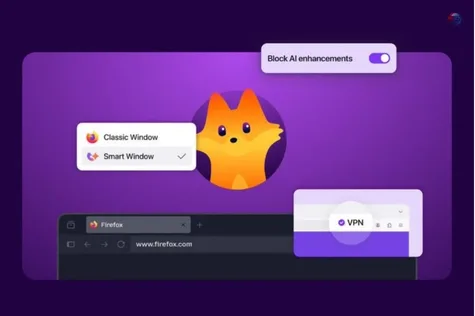
On March 24, 2026, Mozilla officially rolled out a built‑in VPN for Firefox – a free privacy tool integrated directly into the browser that promises to hide users’ IP addresses and locations while they surf the web. This feature is designed to deliver added online security without extra downloads or subscriptions, marking a significant shift in how browsers handle privacy protection.
As tech observers and users alike assess the implications of Mozilla Firefox VPN launch, questions around data limits, regional availability, and how this service stacks up against traditional VPNs have dominated discussions. In this detailed report, we unpack what happened, why it matters, public reactions, expert insights, and what the future holds for browser‑based privacy tools.
Article quality update
Verification note: Firefox VPN/privacy feature claims should be checked with Mozilla documentation because browser privacy features change by region and version.
This article has been reviewed to improve clarity, reduce hype and point readers toward reliable source checks.
Useful official / reference sources
What Happened
Mozilla announced that its popular web browser Mozilla Firefox will now include a free built‑in VPN feature, starting with version 149, rolling out on March 24, 2026.
This new integrated VPN aims to route browser traffic through a proxy to mask users’ IP addresses and location, enhancing privacy and security while browsing without requiring separate VPN software. Unlike many so‑called “free VPNs” that can compromise user data, Mozilla promotes its version as grounded in its privacy‑centric principles.
At launch, users in four major markets — the United States, United Kingdom, Germany, and France — will get up to 50 GB of free monthly data to use this feature.
Mozilla stressed this built‑in VPN represents a transparent alternative to third‑party VPNs with unclear data practices, pledging no hidden data‑selling or tracking.
Background of the Topic: Why It Matters
A Privacy‑First Move from Mozilla
Mozilla, the nonprofit behind Mozilla Firefox, has long championed user privacy and open‑source internet tools. In an era where online tracking, data harvesting, and privacy breaches have become widespread, adding a built‑in VPN reflects Mozilla’s mission to empower users with more control over their digital footprint.
Until now, Mozilla offered a paid VPN service (simply called Mozilla VPN) that protected all device traffic via a subscription model, but the new feature marks a first for completely free browser‑level protection directly in Mozilla Firefox.
How It Differs from Standalone VPNs
Standalone VPNs normally protect all internet traffic on a device, not just browser traffic. But Mozilla’s built‑in solution focuses solely on routing Mozilla Firefox browser activity through a proxy layer — essentially masking web traffic and IP location only while browsing in Firefox.
This means that connections from other apps, downloads outside of the browser, or system‑wide traffic won’t be encrypted by this feature — a crucial distinction experts have noted.
Mozilla’s free VPN feature builds on earlier experiments like Mozilla Firefox Private Network, a precursor project launched in beta years ago, which tested similar browser‑only privacy tools.
How Mozilla Firefox Built‑In VPN Works
Here’s what users need to know:
- Browser‑Only Protection: The VPN feature encrypts and routes Firefox web traffic but doesn’t protect traffic outside the browser.
- Monthly Data Limit: Free users will receive 50 GB of data per month — expected to be suitable for average browsing, though heavy downloaders might find it restrictive.
- Limited Initial Reach: At launch, the built‑in VPN is available only in the U.S., U.K., Germany, and France, with expansion plans unclear.
- Data Privacy Promise: Mozilla claims the feature adheres to its privacy principles and won’t compromise user data — an important distinction from many free VPN services.
Public / Social Media Reactions
Reactions to Mozilla Firefox VPN launch have ranged from enthusiastic approval to sceptical technical debate.
Positive Buzz on Social Platforms
On forums like Reddit and tech subgroups, many users praised Mozilla for integrating a privacy tool directly into the browser with a generous monthly cap. Some users expressed optimism that this could encourage broader internet privacy awareness and empower everyday users to take control of their data.
Analytical Discussions and Critiques
Tech‑savvy communities also sparked discussions about the nature of the built‑in VPN feature. Some commentators suggested that since it acts more as a proxy for browser traffic rather than a full VPN at the network level, it might not offer as comprehensive protection as traditional VPN services.
Other threads hesitated, questioning whether privacy protection limited to browser traffic is sufficient in a world where apps and other services also track user behavior.
Expert Opinions
Cybersecurity Analysts
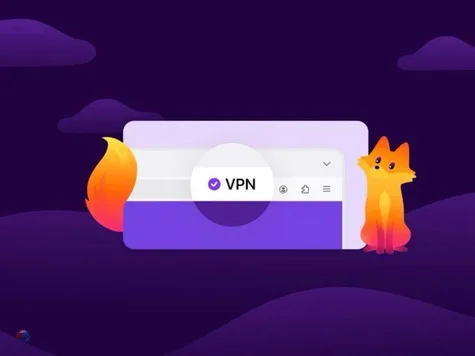
Security experts acknowledge that while Mozilla Firefox VPN launch doesn’t replace full device VPNs, it does represent a meaningful step toward mainstream privacy protection. Browser‑level VPNs can effectively mask web activity, help prevent IP tracking by websites, and offer safer experiences on public Wi‑Fi networks.
However, analysts caution that sophisticated attacks or malware outside the browser aren’t mitigated by this feature — a caveat critical for users in high‑risk environments.
Tech Industry Observers
Industry commentators view Mozilla’s move as strategic — leveraging Mozilla Firefox browser market share to introduce privacy tools that could redefine user expectations. As more browsers incorporate built‑in privacy features, traditional VPN services may face pressure to innovate further.
Mozilla’s built‑in VPN launch may also prompt competitors to expand their privacy offerings, potentially leading to healthier competition and better privacy safeguards for users globally.
Impact of the Mozilla Firefox VPN Launch
Enhancing Everyday Privacy
For everyday users concerned about data tracking and targeted ads, Firefox’s new VPN can provide an additional layer of privacy without requiring technical expertise or subscription fees.
By masking IP addresses and locations, the tool makes it harder for websites to profile users based on browsing patterns.
Market Disruption for VPN Providers
Stand‑alone VPN services may face increased competition, as casual users who previously relied on browser extensions or free VPN apps might opt for Firefox’s built‑in solution.
Though limitations exist, the convenience and cost‑free nature of Mozilla’s built‑in VPN represent a compelling alternative for many.
What Happens Next
Expansion Plans
While currently limited to four countries, Mozilla has hinted at broader regional availability in future updates. Privacy advocates and global users are closely watching for announcements on availability in Asia, Africa, and Latin America.
Feature Improvements
Future versions might include expanded data quotas, enhanced encryption options, and tighter integration with Firefox’s existing privacy tools.
Mozilla could also explore optional paid tiers that offer extended data or full system VPN support beyond the browser.
Competitive Responses
Other major browsers and tech platforms are likely to respond with their own privacy enhancements, potentially accelerating improvements across the industry.
FAQ Section (SEO Boost)
1. What is the Mozilla Firefox VPN launch?
The Mozilla Firefox VPN launch refers to the introduction of a free built‑in VPN feature in Firefox 149, offering up to 50 GB of monthly browser‑level privacy protection.
2. How does the Firefox VPN work?
It routes Firefox browser traffic through a proxy to hide your IP address and location while browsing.
3. Is the Firefox VPN the same as traditional VPN services?
No — it provides browser‑only protection rather than system‑wide encryption, so other apps aren’t protected.
4. Who can use the Firefox built‑in VPN?
Initially, users in the United States, United Kingdom, Germany, and France will get access.
5. Will Mozilla expand the VPN to more regions?
Mozilla has suggested future expansion, but specific regions and timelines are still pending.
Conclusion
Mozilla Firefox VPN launch marks one of the most significant privacy advances in recent browser history. With a free, built‑in VPN integrated directly into Firefox, users gain an accessible tool to hide locations and protect browsing activity without additional software or fees.
While not a full system‑wide VPN, this feature lowers the barrier to entry for privacy protection and may redefine user expectations for what a modern browser should offer. As Mozilla expands availability and refines functionality, the broader tech world will be watching — and adapting — because privacy is no longer optional, it’s expected.
Indian News Reporter: Your source for smart, speedy updates!
Frequently Asked Questions
What is Mozilla Firefox VPN?
Mozilla VPN is a privacy product from Mozilla designed to help protect internet traffic on supported devices.
Is a browser VPN the same as full device protection?
Not always. Protection depends on whether the VPN covers the browser only or all device traffic.
Where should users check official Firefox VPN details?
Users should check Mozilla’s official website and support documentation for current features and availability.
