
India and Affordable Weight-Loss Drugs: What the Debate Means is an update for readers looking for clear background, verified context and practical next steps. This article explains what is known, what still needs confirmation and where readers should check official information.
- India and Affordable Weight-Loss Drugs: What the Debate Means explains the latest key context for readers.
- Readers should check the article update date and linked sources where available.
- Related articles and official references are included to help readers explore more.
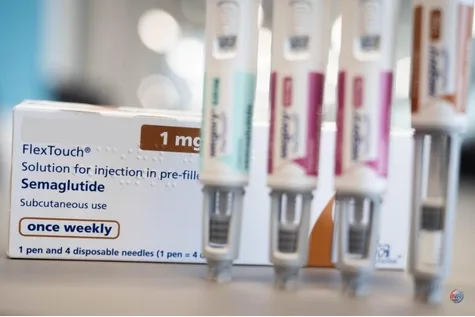
This development has sparked a wave of excitement, concern, and debate among doctors, patients, and public health experts from Mumbai to Mexico City. The promise of cheap fatloss jabs could democratize access to effective obesity treatments in middle‑ and low‑income countries — but it also raises important questions about regulation, safety, and long‑term healthcare impacts.
In this in‑depth article, we explore how India’s cheap fatloss jabs movement took shape, why it matters, reactions from around the globe, expert opinions, and what the future might hold for obesity treatment and public health worldwide.
Article quality update
Verification note: Weight-loss drug policy and availability should be verified through health authorities and qualified medical professionals.
This article has been reviewed to improve clarity, reduce hype and point readers toward reliable source checks.
Useful official / reference sources
What Happened
In March 2026, after key patents on semaglutide — the active ingredient in blockbuster weight‑loss injections such as Ozempic and Wegovy — expired in India, local pharmaceutical companies began preparing low‑cost generic versions of these fatloss jabs for market release.
Over 40 Indian drugmakers, including major firms like Sun Pharma, Dr. Reddy’s, Zydus, and Lupin, have filed regulatory filings and are poised to launch more than 50 generic semaglutide brands in the coming weeks. These generics are projected to cost fifty to sixty percent less than existing branded drugs, significantly lowering monthly treatment prices from roughly ₹11,000 (about $135) to as little as ₹3,000‑₹5,000 ($36‑$60).
Doctors, clinics, and patients across India report surging demand for weight‑loss injections at lower price points, with many anticipating that the influx of affordable semaglutide versions will vastly increase access for middle‑income populations and even globally through export.
Background of the Topic: Cheap Fatloss Jabs
The Rise of Obesity and Demand for Treatment
Obesity rates in India and worldwide have climbed dramatically over recent decades, driven by urban lifestyles, sedentary behavior, and processed food consumption — a trend mirrored in low‑ and middle‑income countries. (Sociedad Chilena de Obesidad) The World Health Organization estimates more than 2.5 billion adults were overweight by 2022, with nearly 890 million classified as obese, making effective interventions critical.
Traditionally, obesity treatment focused on lifestyle changes like diet and exercise, which — while important — often yielded modest results. Pharmacological weight‑loss therapies historically offered limited effectiveness or carried heavy side‑effect profiles.
The introduction of GLP‑1 receptor agonists such as semaglutide and tirzepatide revolutionized weight‑loss pharmacotherapy by significantly suppressing appetite and promoting sustained weight reduction in clinical trials — but high costs made them inaccessible for many.
Why India Matters in the Cheap Fat‑loss Jabs Revolution
India’s pharmaceutical industry has long been recognized as a global hub for affordable generic medicines. Its deep manufacturing base and regulatory pathways allow it to rapidly produce low‑cost versions of previously patented drugs once protections expire.
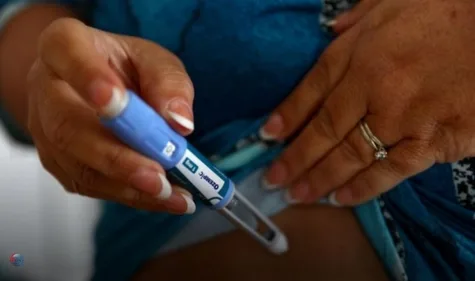
With semaglutide patents expiring in India and other countries that together account for nearly half of the global obesity burden, Indian manufacturers are stepping into the arena to produce affordable cheap fat‑loss jabs at scale.
Some companies reportedly plan “Day 1” launches, meaning generic versions could reach pharmacies almost immediately after patent cliffs opened, promising a quickly accessible and competitive market.
Public / Social Media Reactions
Reactions have varied — from excitement about enhanced access to caution over safety and social implications:
Patient and Community Voices
On social platforms, commentators expressed optimism about affordable treatment access:
- “More people will finally afford the fats‑loss shots they need.”
- Several users highlighted how high prices previously barred them from treatment options.
Online Skepticism and Safety Concerns
Some voices urged caution, pointing to potential misuse if generics flood the market with insufficient regulation around prescribing. Concerns about “cheap fat‑loss jabs” being marketed or used by non‑clinical practitioners or as quick‑fix solutions also surfaced.
Mixed Discussion in Patient Forums
Thread responses show mixed sentiment — users praised the potential for broader access to treatment but also noted that rapidly expanding availability may lead to confusion, inconsistent quality, and improper use.
Expert Opinions
Public Health Specialists
Public health experts largely view the emergence of cheap fat‑loss jabs as a pivotal moment in obesity intervention — but they emphasize that these medical tools should be part of a broader, comprehensive approach that includes lifestyle modification and ongoing clinical supervision.
Regulatory Observations
Analysts believe clear regulatory guidance and quality controls will be essential as generic versions enter the market, particularly given the sheer number of new brands expected. Regulation will help prevent misuse and ensure patient safety.
Medical Perspectives
Clinicians expressed optimism about broader access for patients who previously lacked means to afford treatment, especially given obesity’s strong links with diabetes, cardiovascular disease, and other chronic conditions. They also stress the importance of patient education around realistic expectations and side effects.
Impact of the Situation
On Obesity Treatment Accessibility
The most immediate impact of cheap fat‑loss jabs is likely improved access for millions who previously could not afford branded weight‑loss medications. This could translate to better long‑term weight management outcomes for diverse populations, particularly in middle‑income countries where obesity rates are rising.
Economic and Healthcare Burdens
Affordable treatment may reduce long‑term healthcare costs tied to obesity‑related complications like diabetes and heart disease, potentially relieving pressure on healthcare systems currently grappling with high lifestyle disease prevalence.
Global Pharmaceutical Competition
Global giants like Novo Nordisk and Eli Lilly may face intensified competition as Indian generic brands proliferate, spurring price adjustments and innovation in the sector.
Concerns and Challenges
Safety and Quality Assurance
With more than 50 brands expected to enter the market, ensuring consistent quality and proper clinical guidelines will be crucial. Some experts warn that poorly regulated products or misuse outside medical supervision may undermine public trust.
Public Misunderstanding and Misuse
There are concerns that individuals might view cheap fat‑loss jabs as a standalone quick fix without addressing underlying health drivers such as diet, activity levels, and metabolic health — emphasizing the need for comprehensive healthcare support.
What Happens Next
Regulatory and Market Evolution
India’s drug controller will likely issue guidelines governing the marketing, prescribing, and quality control of generic weight‑loss injections, shaping how cheap fat‑loss jabs are adopted clinically.
Global Rollout Potential
Patent expirations in countries such as Brazil, China, Turkey, and South Africa later in 2026 may lead to similar generic launches abroad, potentially reshaping obesity treatment access globally.
Integration with Public Health Strategy
Experts believe integrating these medical treatments with broader public health campaigns and lifestyle interventions will become a focus to maximize long‑term benefits.
FAQ Section (SEO Boost)
1. What does “cheap fat‑loss jabs” refer to?
“Cheap fat‑loss jabs” refer to affordable generic injections for weight loss, particularly semaglutide‑based drugs entering the market after key patents expired.
2. Why are cheap fat‑loss jabs becoming available in India now?
Patents on semaglutide expired in India, allowing local companies to produce and sell generic versions at significantly reduced prices.
3. How much cheaper are these generic fat‑loss jabs expected to be?
Monthly costs are expected to drop from about ₹11,000 to as low as ₹3,000‑₹5,000 once generics flood the market.
4. Will these cheap fat‑loss jabs be available globally?
Similar patent expiries in other countries later in 2026 could pave the way for global access to affordable generics, though timelines may vary.
5. Are there risks associated with cheap fat‑loss jabs?
Experts emphasize that side effects exist and proper medical supervision is critical; improper use or low‑quality products could pose safety concerns.
Conclusion
The emergence of cheap fat‑loss jabs marks a significant moment in the global fight against obesity, with India at the heart of this breakthrough. By enabling affordable access to effective obesity‑treating injections once restricted to wealthy patients, India’s generic drug industry stands to transform public health outcomes across income levels and borders.
Yet this opportunity comes with challenges — from ensuring regulatory oversight and patient education to integrating these medical tools into holistic obesity management strategies. As the world watches, the ripple effects of affordable injections could reshape how obesity is treated and perceived, offering new hope to millions while underscoring the need for responsible and evidence‑based healthcare delivery.
This story — at the intersection of medicine, economics, and human health — continues to unfold, promising both opportunity and caution as cheap fat‑loss jabs become an accessible reality for more people than ever before.
Indian News Reporter: Your source for smart, speedy updates!
Frequently Asked Questions
What is this article about?
This article provides a concise update and background information for readers.
Where should readers verify important details?
Readers should verify important dates, prices, results and official announcements from the relevant official source.
