
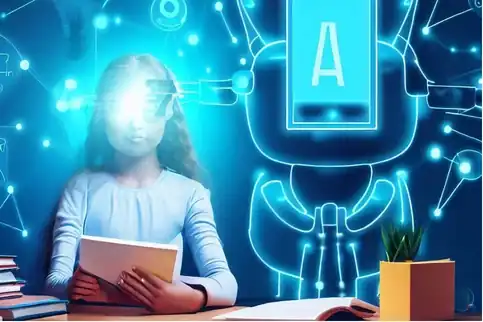
AI in Indian education is the focus of this updated guide. This article has been improved with clearer context, safer reader steps, useful links and a simple structure so readers can understand the topic quickly and verify important details from reliable sources.
AI in Indian education: Important Overview
AI in Indian education needs clear explanation because readers often find mixed information online. A reliable article should explain the background, highlight what matters, and help readers separate useful updates from rumours, old claims or incomplete posts.
AI in Indian education: 7 Best Reader Tips
- Check the date of the article before relying on the update.
- Use official or primary sources whenever possible.
- Avoid acting only on viral screenshots or social media claims.
- Read the full context before sharing the information.
- Keep personal and payment details safe on unknown websites.
- Compare the update with at least one trusted reference.
- Bookmark useful sources for future checks.
Why AI in Indian education matters for readers
AI in Indian education matters because readers want quick information, but quick information should still be accurate. This guide keeps the language simple and adds practical checks so readers can make better decisions.
Suggested Images for AI in Indian education
- Image idea 1 alt text: AI in Indian education latest update visual guide
- Image idea 2 alt text: AI in Indian education explained for Indian readers
- Image idea 3 alt text: AI in Indian education important facts and tips
Useful Internal and External Links
Read more related coverage on our topic hub and this related guide: important related article.
For external reference, readers can check Ministry of Education and Digital India.
Frequently Asked Questions About AI in Indian education
What is AI in Indian education?
AI in Indian education is the main topic explained in this article with context, tips and source links.
Why is AI in Indian education important?
AI in Indian education is important because readers need clear and verified information before making decisions or sharing updates.
Where can I verify AI in Indian education?
You can verify AI in Indian education through official websites, primary platforms and trusted references linked in this article.
Final Takeaway on AI in Indian education
AI in Indian education should be understood with patience and source checking. Readers should avoid rushed conclusions and use verified links whenever the topic involves dates, documents, money, public claims or entertainment updates.
Artificial intelligence is becoming a major part of education in India. Students use AI tools for summaries, doubt-solving, language support, coding practice and exam preparation. Teachers and institutions are also exploring AI for lesson planning, assessments and personalized learning support.
- AI can support revision, summaries and practice questions.
- Students should not blindly copy AI-generated answers.
- Official syllabus, teachers and textbooks remain important.
n
Where AI helps students
- Explaining difficult topics in simple language
- Creating practice questions and revision plans
- Summarising long chapters or notes
- Supporting regional language learning
- Helping with coding, mathematics and science concepts
Why AI is useful for exam preparation
Exam preparation requires repetition, feedback and clarity. AI tools can help students revise faster, generate quizzes and identify weak areas. For students in smaller towns or with limited coaching access, technology can provide additional learning support.
Risks students should understand
AI tools can make mistakes. They may provide outdated facts, wrong calculations or incomplete explanations. Students should not blindly copy AI-generated answers. For official syllabus, exam dates, admit cards and result information, they must check the official education authority or board website.
Role of teachers
Teachers remain important because they provide judgement, context and emotional support. AI can assist learning, but it cannot replace teacher guidance, classroom discussion or verified study material.
Digital safety and privacy
Students should avoid uploading private documents, roll numbers, ID cards or personal data into unknown AI apps. Schools and parents should guide students on safe use of digital tools.
Official reference: Ministry of Education.
What comes next?
AI in Indian education will likely grow through adaptive learning platforms, regional language tools, skill training, coding education and assistive technology. The best use of AI is as a learning assistant, not as a shortcut for original thinking.
Key takeaway
AI can make learning more accessible and personalized, but students should combine it with textbooks, teachers, official sources and consistent practice.
Practical tips for students using AI
- Use AI to understand concepts, not to copy full answers.
- Verify important facts from textbooks, teachers or official portals.
- Do not upload admit cards, IDs or private student data into unknown apps.
- Use AI-generated quizzes for revision and then check answers manually.
FAQ
Can AI replace teachers?
No. AI can support revision and explanations, but teachers provide context, judgement and feedback.
Is AI useful for board exam preparation?
Yes, when used for summaries, practice questions and revision planning. Students should still follow the official syllabus and teacher guidance.
How schools can use AI responsibly
Schools can introduce AI through clear rules, supervised classroom use and teacher-led activities. The goal should be better understanding, not shortcut learning. Students should be told when AI is allowed, when it is not allowed and how to cite or verify information created with digital tools.
For exam preparation, AI works best when it supports revision schedules, concept explanations and practice questions. It should not replace official textbooks, previous-year papers, classroom notes or guidance from teachers.
What parents should watch
Parents should check which apps students are using, whether the tools collect personal data and whether children are becoming dependent on instant answers. A balanced approach helps students use technology without losing problem-solving ability.
Final view
AI can improve access to learning in India, especially for students who need explanations in simpler language or regional-language support. The strongest results will come when students combine AI tools with verified study material, teachers and disciplined practice.
Students should also keep a simple revision notebook where AI-assisted explanations are rewritten in their own words. This helps memory and reduces the risk of depending only on generated answers.
Frequently Asked Questions
Can AI help students prepare for exams?
Yes. AI can help with summaries, practice questions and revision planning, but students should verify answers with teachers and official study material.
Can AI replace teachers?
No. AI can support learning, but teachers provide judgement, feedback, context and exam-specific guidance.
Is it safe to upload private student documents to AI tools?
Students should avoid uploading admit cards, ID cards, roll numbers or private documents into unknown AI apps.
